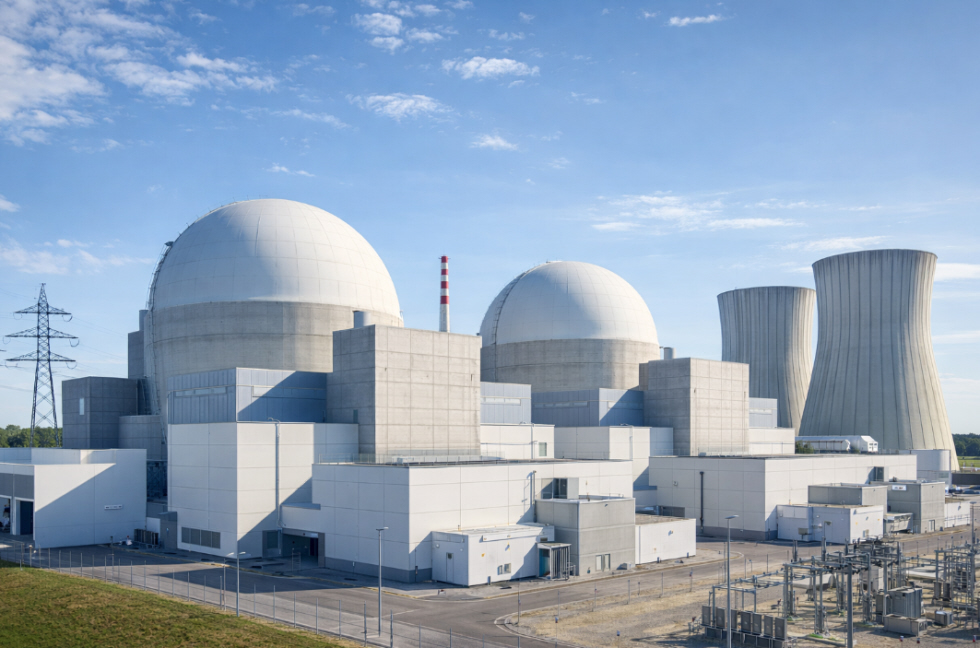
Advanced nuclear reactors are returning to policy discussions worldwide as governments search for reliable, low-carbon energy sources capable of supporting long-term climate goals while ensuring grid stability. Faced with rising electricity demand, renewable intermittency and concerns over energy security, policymakers are revisiting nuclear technology not as a legacy option, but as a potential pillar of future energy systems.
New reactor designs promise improved safety, smaller footprints and greater flexibility compared to traditional nuclear plants. Unlike conventional large-scale reactors, advanced nuclear technologies—including small modular reactors and next-generation designs—are being promoted for their ability to deliver consistent baseload power with lower upfront investment and reduced construction timelines. Supporters argue that these reactors could complement renewable energy by providing dependable output during periods of low wind or solar generation, helping stabilize grids without increasing carbon emissions.
The renewed interest also reflects a shift in political and public attitudes toward nuclear energy, driven by climate urgency and geopolitical tensions affecting fossil fuel supplies. While regulatory challenges, waste management concerns and public acceptance remain significant hurdles, advanced nuclear reactors are increasingly viewed as a pragmatic component of diversified energy strategies. As policy discussions intensify, nuclear energy is once again positioning itself at the intersection of climate policy, technological innovation and long-term energy planning.