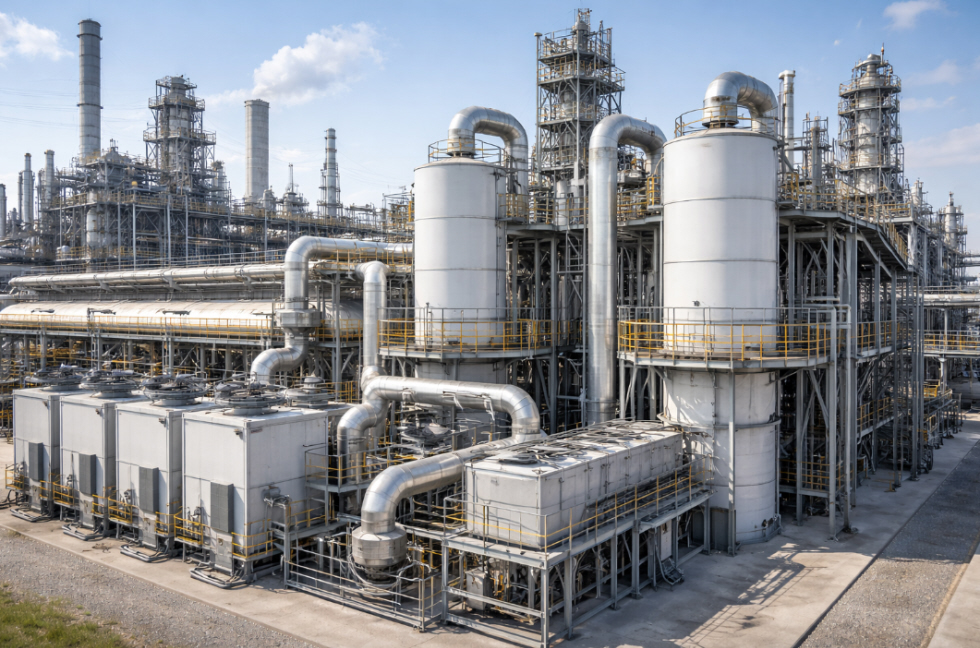
Carbon capture projects are expanding as industries increasingly seek compliance solutions amid tightening climate regulations and rising pressure to reduce emissions. What was once viewed as an experimental or transitional technology is now gaining traction as a practical tool for sectors that face significant challenges in fully decarbonizing their operations.
Heavy industries such as cement, steel, chemicals and energy production are turning to carbon capture as a way to meet regulatory requirements while maintaining production capacity and economic competitiveness. The shift reflects a growing recognition that emissions reduction strategies must extend beyond renewable energy adoption alone. In many industrial processes, carbon dioxide emissions are inherent to production itself, making capture and storage one of the few viable options available in the near to medium term.
As governments introduce stricter emissions targets and carbon pricing mechanisms, carbon capture projects are increasingly framed not just as environmental initiatives, but as compliance-driven investments with clear regulatory and financial implications. At the same time, technological improvements and policy incentives are accelerating project deployment.
Advances in capture efficiency, transport infrastructure and long-term storage solutions are lowering costs and improving feasibility at scale. Public funding, tax credits and cross-border cooperation are further supporting expansion, particularly in regions where industrial emissions remain high. As regulatory frameworks continue to evolve, carbon capture is emerging as a key component of climate strategy for industries seeking to balance environmental responsibility with operational continuity.