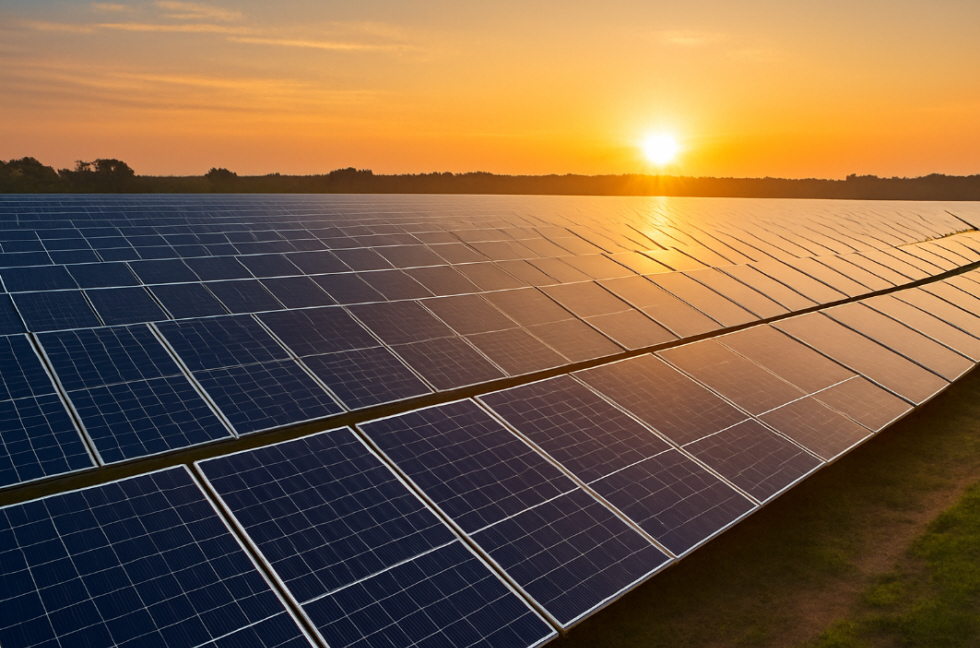
Global solar power has reached a historic milestone, marking a turning point in the transition toward renewable energy. According to the latest report from the International Energy Agency (IEA), worldwide solar capacity surpassed 500 gigawatts for the first time in 2025, setting a new global record. This remarkable achievement reflects the accelerated pace of renewable energy deployment, fueled by both public policy and private investment aimed at reducing carbon emissions and stabilizing energy markets. China continues to lead the world in solar installations, accounting for nearly half of all new capacity added in the past year.
The United States and the European Union follow closely behind, each contributing substantial expansions to their renewable energy grids. In particular, large-scale projects in California, Texas, Spain, and Germany have become key drivers of global growth, combining cutting-edge technology with favorable market incentives. Experts predict that by 2030, solar power could surpass coal as the dominant source of electricity generation worldwide.
Technological innovation has been a decisive factor in this rapid expansion. Advances in thin-film solar panels, flexible photovoltaic materials, and long-duration battery storage have dramatically reduced the cost of solar generation. In 2025, the average global cost per kilowatt-hour dropped below 2.5 cents for the first time, making solar energy not only cleaner but also more affordable than fossil fuels in most regions.
“We are witnessing the moment when solar becomes the default source of new electricity generation,” said IEA Director Fatih Birol. Another important element driving this momentum is the rise of decentralized solar systems. Residential and commercial rooftops, once seen as marginal contributors, now represent a significant portion of total global capacity. Improved net-metering systems and smart-grid integration have enabled households and small businesses to sell excess energy back to the grid, creating a new economic model for sustainable energy use.
However, challenges remain. Energy storage continues to be a major obstacle in balancing supply and demand during nighttime or cloudy conditions. Governments and corporations are therefore investing heavily in next-generation battery technology and hybrid systems that combine solar with wind and hydroelectric power. In addition, supply chain disruptions and the environmental impact of mining raw materials such as lithium and silicon still pose risks to long-term sustainability. Despite these challenges, the outlook for solar energy remains overwhelmingly positive.
The IEA estimates that if current trends continue, global renewable energy capacity could double by 2030, with solar power representing more than 40 percent of that growth. Major corporations — including Tesla Energy, SunPower, and LONGi Green Energy — are scaling up production to meet demand, while new entrants in Africa and Latin America are expanding the market to previously underserved regions.
For policymakers and investors alike, this record-breaking milestone sends a powerful message: the world’s energy future is shifting rapidly toward renewables. Solar power has evolved from an alternative technology into a global economic pillar, shaping how nations produce, distribute, and consume energy. The next decade will determine how effectively governments and industries can sustain this momentum, but one fact is already clear — the sun has become humanity’s most reliable source of power for a cleaner and more resilient future.