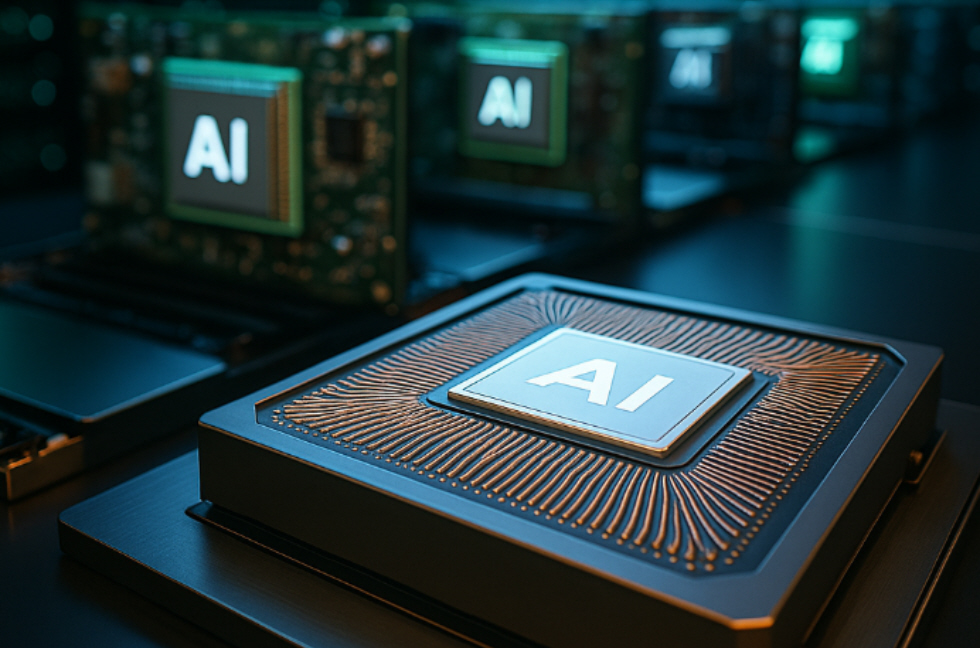
The race to build the next generation of artificial intelligence hardware has triggered one of the largest funding waves in the technology sector since the rise of cloud computing. Several startups developing custom chips and architectures optimized for AI workloads are attracting record levels of investment as companies and governments seek alternatives to traditional GPU-based systems. The momentum comes amid a global shortage of high-end chips and a growing realization that specialized designs could dramatically improve the efficiency of training and deploying large language models.
Among the most talked-about ventures is Unconventional Inc., a California-based company founded by former Databricks executive Naveen Rao. The startup recently secured $1 billion in Series B financing led by Andreessen Horowitz, valuing the company at over $5 billion. Unconventional’s mission is to reimagine computing architecture for AI by combining memory and processing into a unified fabric, a concept often referred to as “in-memory compute.”
This approach could allow AI systems to process data up to ten times faster while consuming a fraction of the energy required by standard GPU setups. The boom extends well beyond the United States. In Europe, Graphcore, once considered an underdog, is reviving with a new line of energy-efficient processors designed for edge AI and robotics. Meanwhile,
Asian firms such as Tenstorrent and FuriosaAI are forming partnerships with automotive and defense sectors, signaling a broad diversification of AI hardware applications. Analysts believe that this fragmentation of the hardware ecosystem could end the near-monopoly of major GPU suppliers and usher in a new era of open, interoperable AI infrastructure. Investors are also betting heavily on AI-specific infrastructure startups that build complementary technologies — including cooling systems, optical interconnects, and low-latency networking solutions.
According to data from Crunchbase, venture capital funding for AI hardware startups surpassed $15 billion in 2025, marking a 60 percent increase compared to the previous year. Much of this enthusiasm is driven by the growing demand for localized inference — the ability to run powerful AI models closer to the user, on devices ranging from industrial robots to autonomous vehicles. Despite the optimism, experts warn of a shakeout ahead. Only a few of these companies are expected to survive long-term, as the hardware industry is notoriously capital-intensive and unforgiving.
However, those that succeed could reshape the foundations of AI, transforming how data is processed, stored, and understood. In the words of analyst Maria Gonzalez from TechRadar, “The next trillion-dollar company might not be building AI software — it could be building the silicon that makes AI possible.”